Modern real estate trends facilitate homeownership with minimal down payments, driven by flexible financing options and changing market dynamics. Experts advise a 5-10% down payment for balance. Strategies include equity building, specialized agent guidance, and smart property choices. While offering financial flexibility, low-down payments carry long-term costs like higher rates and mortgage insurance. Successful navigating requires definining criteria, exploring incentives, collaborating with agents, staying informed, and building a solid financial foundation. Minimal down payments democratize real estate, preserving capital for future investments while fostering growth in emerging neighborhoods.
In the dynamic landscape of real estate, understanding the intricacies of low-down payments is paramount for both buyers and lenders. Securing a property without substantial initial capital has become increasingly vital, yet navigating this process can be labyrinthine. This article delves into the complexities surrounding low-down requirements, offering a comprehensive guide to demystify the process. We explore the challenges faced by first-time homebuyers and investors alike, while providing practical insights on how to successfully navigate the real estate market with limited funds. By the end, readers will gain valuable knowledge empowering them to make informed decisions in their pursuit of property ownership.
Understanding Low-Down Payments in Real Estate
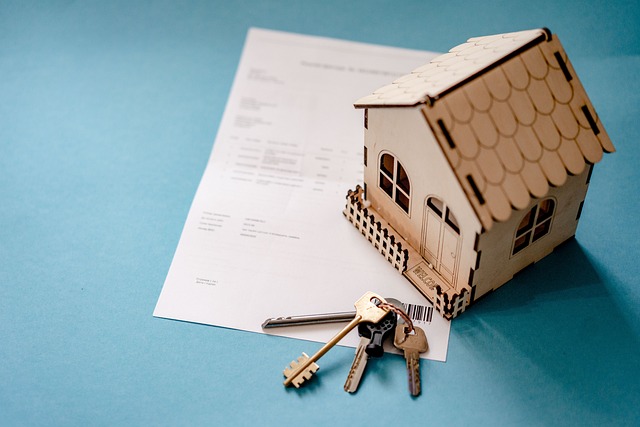
Making a low-down payment on a piece of real estate can be a significant hurdle for many potential buyers. Traditionally, lenders have expected at least 20% down, but with changing market conditions and innovative financing options, this threshold is becoming more flexible. Understanding when and how to make these initial payments is crucial in navigating the complex landscape of modern real estate transactions.
For instance, a study by the Federal Reserve shows that the average down payment for first-time homebuyers has decreased from 25% in 1990 to around 10% today, thanks to programs like FHA loans and VA loans that allow for lower initial investments. These options, while appealing, come with their own set of requirements and risks. Experts recommend a down payment of at least 5-10% as a prudent balance between minimizing out-of-pocket expenses and maintaining a healthy financial cushion.
Low-down payments can also be achieved through savings strategies like building equity through rent or using the equity from another property. Additionally, working closely with a real estate agent who specializes in these transactions can provide insights into market trends and help buyers identify properties that might appreciate quickly, allowing for increased equity over time. Ultimately, while low-down payments offer opportunities, it’s essential to consider the long-term implications, including potential higher interest rates and mortgage insurance costs.
Navigating the Process: Buying with Little Capital

Buying property with limited capital can be a daunting task, but it’s far from impossible. The key lies in strategic navigation through the real estate process, leveraging available resources, and adopting a thoughtful approach. Start by defining your must-haves and nice-to-haves to narrow down suitable options. This focus on criteria ensures you’re not swayed by emotional decisions, which can be detrimental when funds are tight. For instance, prioritizing proximity to public transport or essential amenities can significantly reduce costs in the long run.
Many first-time buyers turn to government incentives and assistance programs tailored for those entering the market with limited capital. These initiatives often include grants, low-interest loans, or tax breaks specifically designed to make homeownership more accessible. Researching and applying for these benefits can provide a substantial financial boost. Additionally, working closely with an experienced real estate agent who understands your situation can be invaluable. They can guide you through the process, negotiate on your behalf, and help identify properties that align with your budget.
Consider exploring options like co-buying with a friend or family member to pool resources, or opting for a smaller property in a growing area with potential for future appreciation. The real estate market is dynamic, and staying informed about trends can offer insights into areas on the upswing. Remember, building a solid financial foundation is crucial for long-term success in the property market.
Benefits and Strategies for Minimal Down Payments

In the realm of real estate, securing financing is a significant step for prospective buyers. One common requirement often cited is the minimal down payment, which can pose challenges yet offers substantial benefits. This strategy not only democratizes homeownership but also empowers buyers to enter the market with financial flexibility. Down payments, traditionally around 20% of a property’s price, have evolved to accommodate diverse economic scenarios, thanks to innovative lending programs and changing consumer preferences.
The advantages are numerous. Smaller down payments mean buyers can preserve more capital for other essential expenses or investments. It also reduces the immediate financial burden, making homeownership more accessible. For instance, a study by the Federal Reserve indicates that first-time homebuyers who put down 3% to 5% enjoyed improved purchasing power and better long-term financial health compared to those opting for larger down payments. Moreover, lower initial investments can open doors to real estate opportunities in up-and-coming neighborhoods, allowing buyers to capitalize on potential property value appreciation over time.
Strategizing for minimal down payments requires a thoughtful approach. Buyers should prioritize their credit score, as it significantly influences loan terms and interest rates. Timely debt repayment and maintaining a healthy credit utilization ratio are key. Additionally, saving for an emergency fund while aiming for the smallest feasible down payment strikes a balance between financial security and homeownership aspirations. Consulting with mortgage experts can provide valuable insights into tailored programs, such as FHA loans or VA benefits, which offer more favorable conditions for lower down payments.