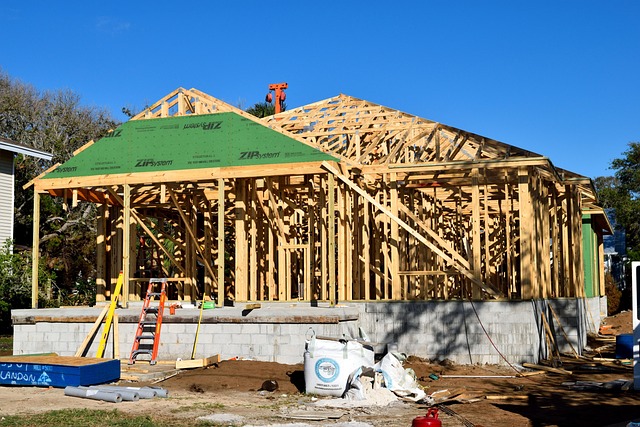
In real estate, beyond the purchase price, buyers face diverse hidden costs like closing fees (2-5%), varying property taxes, and insurance premiums. Effective navigation requires thorough research, budgeting, negotiating, and exploring tax/insurance savings. A strict budget, prioritizing essentials, and strategic financing reduce financial strain. Relocating to affordable areas and staying informed about market trends further maximize savings in the real estate sector.
In the dynamic realm of real estate, understanding the profound impact of added cost increases on monthly payments is paramount for both investors and homeowners. As markets evolve, these adjustments can significantly alter financial landscapes, affecting everything from mortgage affordability to rental rates. This article delves into the intricacies of this pressing issue, providing insightful analysis and practical strategies to mitigate its effects. By exploring proven approaches to budgeting and strategic planning, we empower individuals to navigate these challenges with confidence and make informed decisions in today’s ever-changing real estate environment.
Understanding Added Costs in Real Estate Transactions

In real estate transactions, understanding added costs beyond the initial purchase price is paramount for informed decision-making. These additional expenses, often overlooked, can significantly impact monthly payments and overall financial health. Common added costs include various fees, taxes, and insurance requirements tied to property ownership. For instance, closing costs, which can run 2-5% of the purchase price, are non-negotiable charges incurred during the transfer of real estate. Moreover, ongoing expenses such as property taxes and homeowners’ insurance vary based on location, property value, and coverage levels, adding substantial financial burdens.
To illustrate, consider a $300,000 home in a high-tax area. Closing costs might total around $15,000, while annual property taxes could exceed $6,000. Homeowners’ insurance, depending on the coverage, can range from $800 to $2,000 annually. These added costs, accumulating month after month, can strain budgets and eat into savings. Experts recommend that buyers conduct thorough research and factor in these expenses when calculating monthly payment affordability.
Practical advice for navigating added costs involves negotiating where possible, comparing insurance rates, and exploring tax-saving strategies. Additionally, pre-approval for mortgages allows buyers to understand their financial limits and negotiate better terms. By proactively addressing these hidden costs, prospective homeowners can avoid budgetary surprises and ensure a smoother transition into property ownership.
The Impact on Monthly Payments: A Comprehensive Guide

In real estate, one of the most significant factors influencing a buyer’s decision is the cost, which directly impacts their monthly payments. When considering a property, it’s crucial to understand how additional costs can affect the financial burden over time. Each month, homeowners not only pay for their mortgage but also for various associated expenses, such as property taxes, homeowners’ insurance, and utilities. These costs, often referred to as “additional closing costs,” can vary widely depending on factors like location, property size, and market conditions. For instance, in metropolitan areas known for high real estate values, these additional fees can amount to tens of thousands of dollars annually, significantly increasing the overall cost of ownership.
A comprehensive analysis of monthly payments should factor in these extra expenses, as they can dramatically alter the financial trajectory of a homeowner. For example, a buyer purchasing a property with a $500,000 mortgage might estimate their initial monthly payment at around $2,000. However, when including property taxes (averaging 1-2% of the home’s value), homeowners insurance ($50-$100 per month), and utility costs (variable based on usage), the total can easily surpass $3,000. This significant increase underscores the importance of meticulous budgeting and financial planning in real estate transactions.
To mitigate these impacts, prospective buyers should aim for substantial down payments to reduce the loan amount and thus lower monthly obligations. Additionally, understanding local tax rates and shopping around for competitive insurance policies can help alleviate some of these costs. Regularly reviewing budget plans and staying informed about market trends enables homeowners to navigate these additional expenses effectively, ensuring their financial stability in the long term.
Strategies to Manage and Minimize Financial Burdens

When it comes to managing finances, one of the most significant challenges many individuals face is the added cost of monthly payments, which can significantly increase financial burdens. This issue is particularly evident in the real estate sector, where potential buyers are often caught off guard by the numerous expenses associated with purchasing a property. To mitigate these challenges, it’s crucial to employ strategic financial management techniques that can help minimize the strain on one’s budget.
A primary strategy involves creating a detailed budget and sticking to it. This requires meticulous tracking of income and expenses, prioritizing essential costs, and allocating reasonable funds for discretionary spending. For instance, prospective homeowners should consider setting aside dedicated savings for down payments, closing costs, and ongoing property maintenance rather than diverting these funds towards non-essential purchases. Additionally, exploring alternative financing options or negotiating better terms with lenders can substantially reduce the overall cost of monthly mortgage payments.
Another effective approach is to consider location-specific factors in the real estate market. Properties in urban areas or popular neighborhoods often come with higher price tags and associated costs due to their desirability. Relocating to more affordable regions or considering lesser-known but thriving communities can significantly lower monthly outgoings. Moreover, savvy investors should stay informed about market trends and take advantage of seasonal fluctuations, as purchasing during slower periods can lead to substantial savings on real estate investments.