
In real estate, understanding closing costs beyond the base purchase price is vital for informed decision-making. Additional expenses average $3,000-$7,000, varying by market conditions, property type, and location. Proactive research, budgeting, and negotiating fees are key. Managing monthly payments involves tracking expenses, staying informed about market trends, and exploring options like adjustable-rate mortgages or government assistance for energy efficiency. Homeowners can mitigate rising costs through efficient appliances, utility rate negotiations, and regular maintenance to avoid costly repairs. Real estate naturally guides favorable terms and incentives.
In the dynamic landscape of real estate, managing financial aspects is paramount for both investors and homeowners. One often overlooked yet significant factor is the impact of added costs on monthly payments, which can substantially alter the financial trajectory of any property venture. As markets evolve and unforeseen expenses arise, understanding these additional charges becomes crucial for making informed decisions. This article delves into the intricacies of how varied costs contribute to monthly outlays, offering insights that can empower individuals to navigate this complex issue with clarity and strategic foresight. By the end, readers will grasp practical strategies to mitigate these impacts, ensuring financial stability in the ever-changing real estate market.
Understanding Added Costs in Real Estate
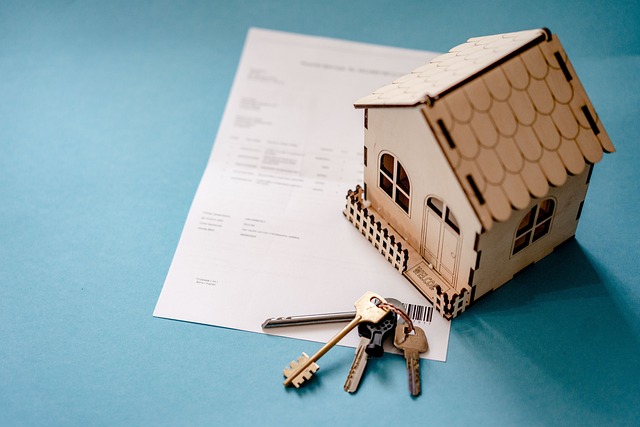
In real estate, understanding added costs beyond the base purchase price is paramount for informed decision-making. These additional expenses, often referred to as closing costs or settlement charges, can significantly impact a buyer’s financial outlay when acquiring a property. The most common added costs include various fees associated with legal services, appraisal and inspection services, title search and insurance, and mortgage processing. For instance, in the U.S., these costs typically range from 2% to 5% of the home price, averaging around $3,000 to $7,000.
A nuanced understanding of these costs is crucial, as they can vary widely based on factors like market conditions, property type, and location. For example, properties in urban areas with high demand often come with higher legal fees and inspection charges due to the increased complexity of transactions. Moreover, specialized services such as home energy audits or pest inspections may be mandatory, adding to the overall cost burden. According to a recent survey by the National Association of Realtors (NAR), the average closing costs for a typical U.S. home purchase in 2022 amounted to $3,578.
Expert advice suggests that buyers proactively research and budget for these expenses. Thoroughly reviewing disclosures and cost breakdowns from lenders and real estate agents is essential. Additionally, negotiating certain fees or shopping around for competitive rates on services can help mitigate the financial blow. Staying informed about local market dynamics and consulting with industry professionals allows prospective buyers to anticipate and better manage these added costs, ensuring a smoother transition into homeownership.
Analyzing Monthly Payment Increases

In the realm of Real Estate, managing monthly payments is a critical aspect for both property owners and prospective buyers. When discussing added cost increases, it’s crucial to dissect the factors driving these hikes and their subsequent impact on overall financial obligations. A meticulous analysis of monthly payment increases reveals several key dynamics at play, each with its own implications.
One primary driver is inflation, which acts as a silent yet potent force, pushing up costs over time. According to recent data from the Bureau of Labor Statistics, core inflation has averaged around 3-4% annually in the U.S., meaning that property values and associated expenses tend to rise accordingly. For instance, a property valued at $300,000 five years ago might appreciate at a rate influenced by market conditions and economic indicators, leading to higher monthly payment requirements upon resale or refinancing.
Additionally, interest rates play a pivotal role in monthly payment increases. The Federal Reserve’s monetary policies directly impact mortgage rates, which, in turn, affect the cost of borrowing for real estate transactions. A surge in interest rates can significantly elevate monthly payments, as seen during periods of economic uncertainty or when central banks tighten monetary policy. For example, a 0.5% increase in interest rates can translate into higher loan costs, making it more expensive to maintain a mortgage over the long term.
Expert perspective suggests that proactive financial planning is essential to navigate these increases effectively. Property owners and buyers should regularly review their budget allocations for real estate-related expenses. This involves staying informed about market trends, understanding local property values, and being attuned to changes in interest rates. Additionally, exploring options like adjustable-rate mortgages (ARMs) can offer temporary relief from rising rates, though careful consideration is advised due to potential rate adjustments in the future.
Strategies to Mitigate Extra Expenses

Added cost increases monthly payments can pose significant challenges for homeowners, particularly in the competitive real estate market. To mitigate these extra expenses, a strategic approach is essential. One effective strategy involves proactive budgeting. Homeowners should meticulously track their current expenses and identify areas where they can cut back, such as reducing energy consumption through energy-efficient appliances or negotiating lower utility rates with service providers. In recent years, data from the U.S. Energy Information Administration shows that residential energy costs have increased by an average of 2% annually, emphasizing the importance of these measures.
Another powerful tool is refinancing. Lowering interest rates can significantly reduce monthly payments. For instance, a homeowner with a $300,000 30-year fixed-rate mortgage could save tens of thousands of dollars over the life of the loan by refinancing to a lower rate. Real estate naturally plays a role here; staying informed about market trends and working with reputable lenders can help homeowners secure favorable terms.
Moreover, exploring government assistance programs can offer financial relief. Many regions provide subsidies or grants for energy-efficient home improvements, such as solar panel installation or better insulation. These initiatives not only reduce utility bills but also contribute to a more sustainable living environment. Homeowners should research local and federal incentives to take advantage of these benefits.
Lastly, regular maintenance can prevent costly repairs down the line. A well-maintained home ensures that systems like heating, ventilation, and air conditioning (HVAC) operate efficiently, reducing energy costs and prolonging the lifespan of major appliances. Regular inspections by professionals can identify potential issues early on, allowing for timely repairs and avoiding unexpected expenses.