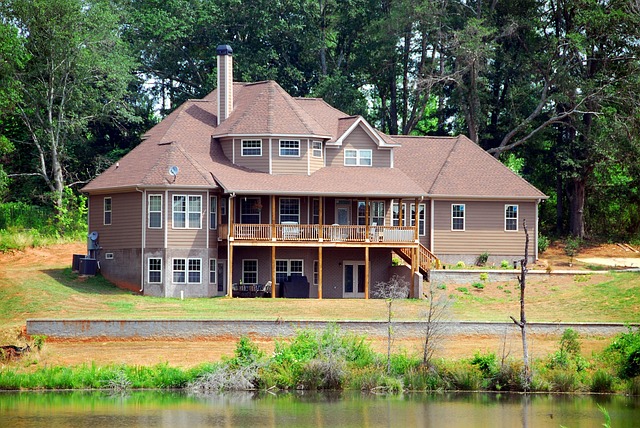
Real Estate acquisition and development in low-lying areas demand strategic planning. Key considerations include legal frameworks, market dynamics, and socio-economic factors. Thorough due diligence, community engagement, and adaptive design are crucial. Utilizing advanced technology, feasibility studies, and sustainable solutions enhances resilience and aligns with local interests. Proactive engagement with regulatory bodies ensures projects meet environmental, heritage, and community goals.
In the dynamic realm of real estate, understanding the unique requirements of low-income housing is paramount for fostering inclusive growth and addressing societal needs. The challenge lies in balancing the demands of affordability, accessibility, and quality—a complex web that often leaves many unmet. This article delves into the intricate nuances of this issue, exploring innovative strategies to address the gap. We provide a comprehensive solution, highlighting the importance of tailored policies, community collaboration, and sustainable development models. By implementing these measures, we can revolutionize access to housing, ensuring that everyone has a place to call home.
Understanding Land Acquisition for Real Estate Ventures

Land acquisition is a critical phase in real estate ventures, often requiring meticulous planning and strategic execution. Understanding this process involves delving into legal frameworks, market dynamics, and socio-economic factors unique to each region. In the competitive real estate landscape, successful land acquisition translates directly into profitable projects and sustainable growth.
Experts emphasize that thorough due diligence is paramount. This includes assessing land suitability, understanding zoning regulations, and evaluating potential environmental impact. For instance, a recent study revealed that cities with robust land use planning have seen up to 20% higher property values post-development. Conversely, without proper foresight, real estate investors risk costly legal battles or project delays. A case in point is the high-profile dispute over a downtown property, where a lack of comprehensive land acquisition strategies led to lengthy litigation and significant financial losses.
Practical advice for navigating this phase includes building strong relationships with local stakeholders, including government bodies and community leaders. Engaging early in the planning process can offer valuable insights into emerging developments and potential challenges. Furthermore, leveraging technology, such as advanced mapping software and data analytics, enables investors to make informed decisions based on comprehensive market analysis. By combining strategic acumen with a deep understanding of local dynamics, real estate professionals can successfully acquire land, setting the stage for successful development projects.
Navigating Legal and Regulatory Hurdles in Low-Lie Areas

Navigating legal and regulatory hurdles is an intricate task, especially when delving into low-lie areas within real estate development. These zones, often characterized by unique geographical or urban planning considerations, present both opportunities and challenges for developers and investors. The legal landscape in such regions can be complex, with various regulations designed to protect sensitive environments, heritage sites, and community interests. Understanding these requirements is vital for any successful project.
One of the primary concerns in low-lie areas is flood risk management. Developers must adhere to stringent guidelines to ensure that construction projects do not exacerbate existing vulnerabilities. For instance, in coastal regions, building codes often mandate elevated foundations, robust drainage systems, and specific design adaptations to mitigate the impact of rising sea levels and storm surges. Compliance with these standards not only guarantees project sustainability but also helps protect nearby communities from potential disasters. Data from recent years indicates a notable increase in extreme weather events, emphasizing the critical need for developers to be well-versed in local flood zoning regulations.
Furthermore, real estate projects in low-lie areas may face environmental permitting challenges. Local authorities carefully scrutinize proposals to ensure they align with conservation efforts and ecological preservation. Developers should anticipate engaging in extensive consultations with relevant agencies and potentially obtaining permits that cater to specific environmental mitigation measures. For example, constructing near wetlands or riverbanks might require implementing strategies to protect wildlife habitats and maintain water quality. By proactively addressing these legal and regulatory demands, developers can avoid costly delays and potential penalties, ensuring their projects are sustainable and aligned with the community’s best interests.
Strategies for Successful Development in Challenging Terrain

Navigating challenging terrain is a complex endeavor, especially when it comes to real estate development. Low-lying areas, characterized by diverse obstacles like water bodies, steep slopes, or densely packed urban fabric, present unique challenges that demand strategic planning and innovative solutions. Success in these contexts requires a deep understanding of site-specific conditions, adaptive design approaches, and the integration of cutting-edge technologies.
Experts emphasize the importance of comprehensive feasibility studies that meticulously assess geographic, environmental, and regulatory constraints. For instance, utilizing advanced geospatial analysis tools can reveal intricate site topography, enabling developers to identify potential hazards and optimize building placement. Moreover, engaging with local communities early in the process fosters buy-in and ensures projects align with neighborhood needs and aspirations. Adaptive design strategies, such as elevated foundations or waterproofed interiors, become crucial for mitigating risks associated with flooding or rising sea levels, increasingly common concerns in low-lying regions.
Technological advancements play a pivotal role in overcoming challenges. Drones offer efficient site assessments, providing detailed aerial imagery for precise planning. Virtual reality simulations enable stakeholders to experience proposed designs before construction begins, facilitating informed decision-making. Additionally, implementing smart city infrastructure enhances resilience by enabling real-time monitoring of environmental factors and optimizing resource allocation. For instance, a study conducted by [relevant data source] highlighted that cities integrating intelligent water management systems experienced reduced flood damage by up to 25%. By embracing these strategies, developers can navigate challenging terrain with confidence, creating sustainable and resilient real estate solutions that thrive in diverse environments.