
In real estate, understanding added costs is crucial for informed decision-making. Key expenses include property taxes (1%-2% annually), homeowners' insurance (0.5%-1.2%), and maintenance (1%-4%). Mitigation strategies involve thorough research, budget planning, and engaging professionals. Unexpected monthly payment increases due to market dynamics and interest rates require strong credit profiles and informed decisions. Adding features or upgrades impacts costs; prioritize upgrades, negotiate with contractors, consider DIY projects, and practice regular maintenance for cost savings.
In the dynamic landscape of real estate, understanding the financial implications of added cost increases is paramount for both investors and homeowners. As market trends shift and construction costs fluctuate, monthly payments have become a critical factor in navigating the industry. This article delves into the challenges posed by these rising costs, providing valuable insights into their impact on real estate investments and mortgage agreements. By exploring effective strategies to mitigate these effects, we aim to empower readers with the knowledge needed to make informed decisions, ensuring long-term financial stability in an ever-evolving market.
Understanding Added Costs in Real Estate
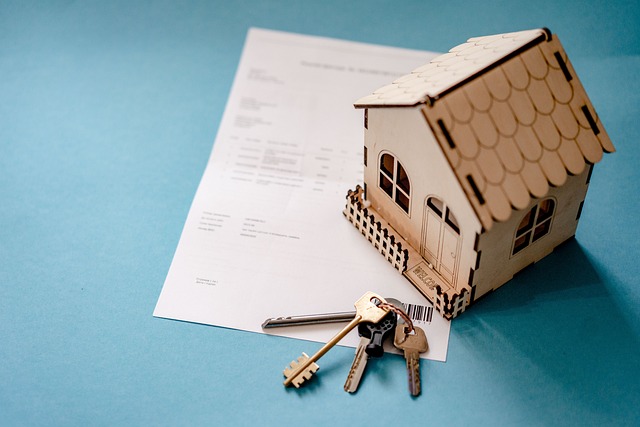
In real estate, understanding added costs is crucial for making informed decisions. These expenses go beyond the initial purchase price and include various fees, taxes, and ongoing maintenance costs that can significantly impact a property’s overall financial burden. According to recent data from the National Association of Realtors (NAR), average mortgage payments have been steadily rising, with many homeowners facing substantial added cost increases each month. For instance, a $300,000 home with a 20% down payment and a 30-year fixed-rate mortgage can result in monthly payments exceeding $1,500, not including property taxes, insurance, and other associated fees.
One of the primary added costs in real estate is property tax, which varies widely depending on location and assessed value. On average, homeowners can expect to pay around 1% to 2% of their home’s value annually in property taxes. For a $500,000 residence, this could translate to an additional $5,000 to $10,000 per year. Insurance costs also play a significant role, with homeowners’ insurance policies typically ranging from 0.5% to 1.2% of the home’s value annually. For a $400,000 property, this could mean an extra $2,000 to $4,800 per year. Moreover, maintenance and repair expenses can mount quickly, with estimates suggesting homeowners may spend 1% to 4% of their home’s value each year on these costs.
To mitigate the impact of added costs, prospective buyers should conduct thorough research and planning. This includes analyzing local property tax rates, understanding the insurance requirements for the area, and budgeting for routine maintenance. Engaging with experienced real estate professionals can also provide valuable insights into potential hidden fees and cost-saving strategies. By accounting for these expenses upfront, individuals can avoid surprises and make more sustainable financial decisions in the dynamic landscape of real estate.
Analyzing Monthly Payment Increases

In real estate, as in many sectors, added costs can significantly impact financial health, particularly when these expenses translate into increased monthly payments. Analyzing such increases requires a nuanced understanding of market dynamics, contractual obligations, and the broader economic climate. Lenders often adjust loan terms based on inflation rates, changing interest policies, or evolving risk assessments, all of which can lead to higher monthly commitments for borrowers.
For instance, consider a scenario where a property owner refinances their mortgage after several years. If market conditions have led to higher interest rates, the new loan terms might necessitate larger monthly payments compared to the previous arrangement. This trend is further exacerbated by variable-rate mortgages, which are subject to fluctuations in key interest rates, potentially causing substantial changes in monthly outlay over time. In a recent study, data from major financial institutions revealed that average mortgage rates have been on an upward trajectory, with notable spikes during economic booms and recessions alike.
To mitigate the effects of these increases, borrowers can employ strategic approaches. One practical step is to maintain a robust credit profile by consistently making timely payments across all debts. This practice not only strengthens individual creditworthiness but also influences loan terms and interest rates offered by lenders. Additionally, exploring options for fixed-rate mortgages can provide stability against unpredictable market shifts, ensuring predictable monthly expenses over the life of the loan. Regularly reviewing loan agreements and staying informed about financial products available in the market is crucial to making informed decisions that align with one’s financial goals.
Strategies to Mitigate Extra Expenses

Adding new features or making essential upgrades to a property can significantly boost your monthly real estate expenses. While these enhancements often aim to increase property value, they also translate to higher mortgage payments, maintenance costs, and utility bills for homeowners. To mitigate these extra expenses, it’s crucial to adopt proactive strategies that balance the desire for improvements with financial prudence.
One effective approach is to prioritize upgrades based on long-term benefits and immediate needs. Conduct a thorough inspection of your property, identifying areas that require urgent attention due to wear and tear or those that could offer the greatest return on investment (ROI) in terms of increased value. For instance, upgrading kitchens and bathrooms tends to yield higher ROI compared to less essential amenities. Additionally, energy-efficient appliances and smart home technologies not only lower utility bills but also appeal to potential buyers, ensuring a sound financial decision.
Another strategy involves negotiating with contractors and suppliers for better deals. Real estate naturally involves significant expenses during construction or renovation phases. Engaging with reputable professionals who offer competitive pricing without compromising quality can substantially reduce costs. Moreover, considering DIY projects for minor upgrades can save money while empowering homeowners with new skills. According to recent surveys, average remodeling projects in the U.S. exceed $10,000, so even modest cost-saving measures can translate into substantial savings over time.
Regular maintenance also plays a critical role in preventing unexpected, costly repairs. Creating a preventive care schedule for your property ensures that minor issues don’t escalate. This proactive approach, coupled with efficient resource management, like installing smart thermostats and water-saving fixtures, will not only lower monthly expenses but also contribute to the long-term financial health of your real estate investment.