
Real estate faces challenges balancing property rights with public interests, including legal evictions for non-compliance or safety hazards. Governments intervene to protect spaces and provide affordable housing while encouraging growth and innovation. Safe demolition requires strict regulations, comprehensive assessments, permits, and meticulous planning to minimize environmental impact and ensure compliance.
In the dynamic realm of real estate, the question of whether structures can be removed under certain conditions is both complex and intriguing. This article explores the legal nuances surrounding demolition, delving into the loopholes that permit removal while examining the delicate balance between property rights and public interest. We dissect the conditions that ensure safe and legal demolition, offering insights for stakeholders in this vibrant industry.
Legal Loopholes: When Removal is Allowed
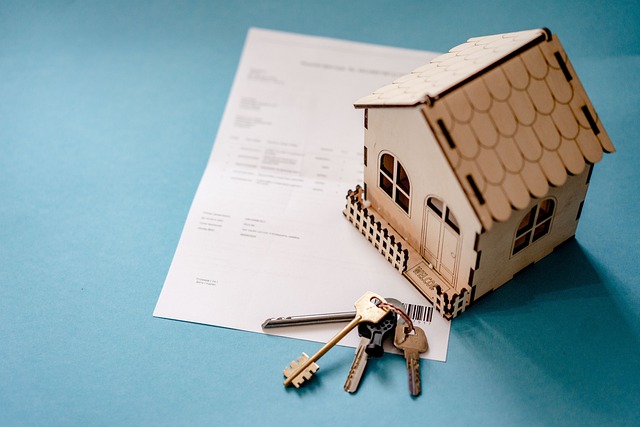
In the realm of real estate, legal loopholes often arise, providing circumstances under which certain entities or individuals can be removed from properties they have occupied or owned. These situations are typically governed by specific laws and regulations that vary across jurisdictions. One notable instance is when a tenant or leaseholder fails to adhere to the terms of their agreement, such as non-payment of rent or violation of contractual clauses. Landlords or property owners can then initiate legal processes to remove these individuals, reclaiming possession of the property.
Moreover, in some cases, removal may be allowed under conditions related to public safety and health. For example, if a structure on a real estate property poses significant risks or violates building codes, local authorities have the power to order its demolition or eviction of occupants. These measures are crucial for maintaining the integrity of communities and ensuring the well-being of residents.
Property Rights vs. Public Interest

In the realm of real estate, balancing property rights and public interest is a delicate act. On one hand, individuals and businesses have the right to own, use, and dispose of their land as they see fit. This includes the ability to develop properties, set rental rates, and make decisions that maximize their investments. Protecting these rights ensures an incentive structure that fosters growth and innovation within the industry.
However, in the public interest, governments and communities may intervene to preserve certain lands for specific purposes, such as parks, historical sites, or affordable housing. These interventions are not just about taking away property rights but about ensuring equitable access to resources and maintaining the social and environmental fabric of a community. Striking the right balance is crucial to avoid situations where private interests overwhelmingly trump the needs and well-being of the public at large, while also preventing public interest from becoming a blanket justification for land takings without due process or fair compensation.
Conditions for Safe and Legal Demolition

In the realm of real estate, safe and legal demolition requires adherence to stringent conditions. These guidelines are pivotal to ensure the well-being of surrounding structures, mitigate environmental impact, and comply with regulatory standards. Before initiating any demolition project, a thorough assessment is imperative, factoring in structural integrity, hazardous materials presence, and potential contamination. Permits from relevant authorities must be secured, ensuring the process adheres to set protocols.
Additionally, meticulous planning and specialized expertise are indispensable. This includes devising detailed plans for safe disassembly, managing debris disposal, and addressing noise and safety concerns. By meeting these conditions, real estate developments can seamlessly transition from old structures to new, fostering a sustainable and responsible building ecosystem.