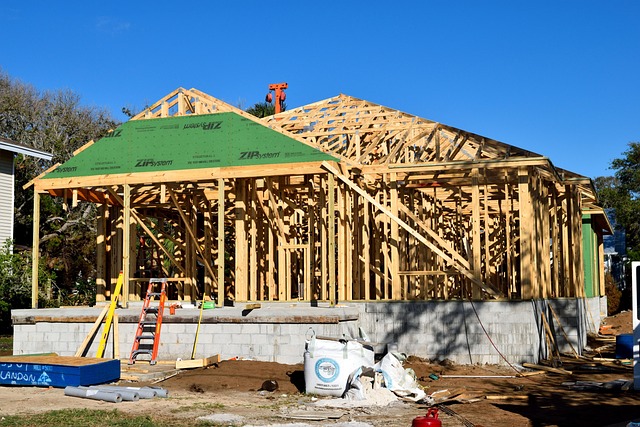
Real estate investors must choose between public and private insurance, each offering distinct benefits. Public programs like Fannie Mae stabilize the housing market but offer fewer customization options. Private insurers provide tailored policies for specific risks and asset types, catering to diverse real estate investments. Balancing both types of coverage allows investors to create comprehensive risk management strategies, adapting to evolving risks through regular policy reviews.
In the dynamic realm of real estate, understanding the intricate interplay between private and government-backed coverage is paramount for investors, developers, and homeowners alike. Access to comprehensive insurance solutions not only safeguards valuable assets but also influences decision-making processes, project viability, and overall market stability. However, navigating this landscape presents a formidable challenge, as options vary widely in scope, coverage, and accessibility. This authoritative piece delves into the nuances of private versus government-backed coverage, equipping readers with invaluable insights to make informed choices that shape their real estate ventures successfully.
Understanding Private vs Government-Backed Real Estate Coverage

When navigating the complex world of real estate coverage, understanding the distinction between private and government-backed offerings is paramount. Private insurance providers offer specialized policies tailored to individual needs, with customizable features for specific assets and risks. This sector thrives on innovation, continually adapting to market dynamics and emerging trends in the real estate landscape. For instance, many private insurers have introduced advanced risk assessment tools leveraging data analytics, enabling more precise pricing and tailored coverage for unique properties.
In contrast, government-backed programs, such as those administered by agencies like Fannie Mae or Freddie Mac in the United States, focus on promoting accessibility and stability in the housing market. These entities purchase mortgages from lenders, securitizing them into tradable assets, which increases liquidity and reduces interest rates for borrowers. Government backing comes with its advantages—it often guarantees a portion of the loan, mitigating risk for lenders and potentially lowering borrowing costs for homeowners. However, this also means stricter adherence to government guidelines regarding loan criteria and property types eligible for coverage.
The choice between private and government-backed real estate coverage depends on individual circumstances. Private insurance offers greater flexibility and customization but may come with higher premiums for specialized risks. Government programs provide a safety net and broader access, especially for first-time homebuyers, but may have less wiggle room in terms of policy customization. Experts suggest evaluating personal financial health, risk tolerance, and long-term goals to make an informed decision that aligns with specific real estate investment strategies.
Exploring Benefits: Public & Private Insurance in Real Estate

In the realm of real estate, understanding the interplay between public and private insurance is paramount for both investors and property owners. Public insurance, typically provided by governments, offers a safety net for unforeseen circumstances such as natural disasters or economic downturns. For instance, in many countries, government-backed programs like FEMA (Federal Emergency Management Agency) in the US, provide coverage for damage caused by floods, hurricanes, and other catastrophic events. This collective assurance stabilizes the market during turbulent times, allowing for more predictable transactions.
Private insurance, on the other hand, fills crucial gaps left by public policies. It offers specialized coverage tailored to specific real estate sectors, such as commercial properties or luxury homes. For example, private insurers may provide comprehensive protection against business interruption, theft of valuable assets, or even liability arising from professional negligence. This level of customization enables property owners and businesses to mitigate risks more effectively, securing their investments in the dynamic landscape of real estate. According to industry reports, the global property insurance market is projected to reach USD 457 billion by 2025, highlighting the growing demand for private insurance solutions.
When deciding between public and private coverage, real estate professionals must weigh the advantages and limitations of each. Public insurance offers broad protection at a relatively lower cost, but may not cover all specific risks. Private insurance provides enhanced customization and specialized coverage, yet comes with higher premiums. A balanced approach often involves leveraging both types of insurance to create a comprehensive risk management strategy. For instance, pairing public flood insurance with private property damage coverage can offer optimal protection against a wide range of potential hazards in real estate investments.
Navigating Risks: A Comparative Study of Coverage Options

Navigating risks is a critical aspect of real estate investments, and understanding the nuances between private and government-backed coverage options can significantly impact outcomes. Private coverage, often provided by insurance companies, caters to individual needs with customizable policies. These policies may offer broader protection for specific assets, such as historic properties or commercial real estates, that possess unique risks not typically covered by standard government-backed plans. For instance, private insurers might provide specialized coverage for earthquake damage in seismically active zones, a risk often excluded from conventional government insurance.
Government-backed coverage, on the other hand, is designed to protect the broader public interest and is generally more uniform across regions. These programs aim to mitigate systemic risks associated with natural disasters or economic downturns that could affect multiple properties simultaneously. A notable example is the National Flood Insurance Program (NFIP) in the U.S., which offers affordable flood coverage to homeowners, businesses, and renters in participating communities. However, government-backed plans might lack the flexibility to cater to specialized risks, leaving gaps that private insurers can fill.
The choice between these options depends on an investor’s risk tolerance, asset type, location, and budget. A comprehensive risk assessment is crucial. For instance, a real estate developer investing in coastal properties should consider both government-backed storm surge coverage and private policies for flood damage and business interruption. Combining these approaches can create a robust risk management strategy that ensures the investment’s long-term viability. Experts recommend regular reviews of existing coverage to adapt to evolving risks and market conditions, ultimately fostering more secure real estate transactions.