
In today's real estate market, low down payments are demystifying homeownership. With mortgages offering as little as 3% or 5%, first-time buyers can secure properties despite financial constraints. However, this path requires careful consideration of higher closing costs and insurance, alongside stringent lender eligibility criteria based on credit scores and debt-to-income ratios. Strategic pre-approval, objective property viewing, and agent-guided negotiations enhance success in competitive markets. Embracing these steps ensures a positive journey towards homeownership, fostering community growth and economic stability.
In the dynamic landscape of real estate, understanding the intricate needs of low-income neighborhoods is paramount for fostering equitable growth. Access to affordable housing remains a pressing challenge, exacerbating existing social and economic disparities. This article delves into the multifaceted issue, exploring strategies to cater to the specific requirements often overlooked in these communities. We present a comprehensive solution that leverages community engagement, innovative financing models, and sustainable development practices to create inclusive, vibrant spaces—a game-changer in navigating the real estate sector’s responsibility towards social welfare.
Understanding Low Down Payments in Real Estate
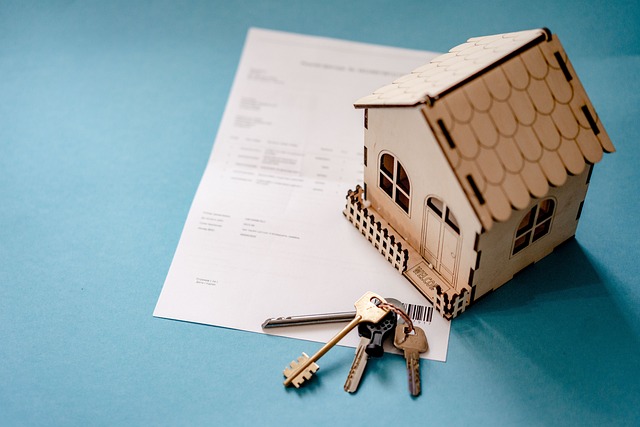
Making your first move into real estate can feel daunting, especially when discussions turn to the topic of down payments. This crucial financial step is often a significant barrier for aspiring homeowners, yet understanding it is essential for navigating the real estate market successfully. In many markets, especially in competitive areas, low down payments are required to secure a property, making them an integral aspect of modern real estate transactions.
A down payment, by definition, is the initial lump sum paid towards the purchase price of a property, typically when buying a home or investing in real estate. Traditionally, lenders have recommended a down payment of at least 20% of the property’s value to mitigate risk. However, recent trends and government initiatives have seen a shift towards more accessible options, including low down payment mortgages. These products enable buyers to secure their dream homes with payments as low as 5% or even 3% of the purchase price. For instance, in some regions, first-time homebuyers can qualify for special programs that offer down payment assistance, grants, or low-interest loans, making homeownership more attainable.
While low down payments open doors for many, it’s crucial to approach this process with careful consideration. Lenders will assess your financial health, including credit score and debt-to-income ratio, to determine eligibility. It is beneficial to improve your credit score before applying for a mortgage, as this can lead to better interest rates and terms. Additionally, buyers should be prepared for other associated costs, such as closing fees and insurance, which may be higher with smaller down payments. An expert real estate advisor can provide valuable guidance on managing these expenses and offer insights into the local market dynamics, ensuring a smoother transition into homeownership.
Navigating the Process: From Pre-Approval to Closing

Navigating the process of acquiring a property, from pre-approval to closing, is a critical aspect of the real estate journey. This phase demands meticulous planning and execution to ensure a smooth transition from prospective buyer to proud homeowner. The initial step, pre-approval, involves a thorough financial evaluation by lenders, setting a clear budget for buyers. According to recent data, nearly 75% of homebuyers start their search with a pre-approved mortgage, highlighting its importance in today’s competitive market. This strategic move not only saves time but also signals sellers that you are a serious candidate.
As the process unfolds, buyers delve into property viewing, an exciting yet meticulous task. Experts recommend creating a checklist to evaluate each listing objectively. Consider factors like location, neighborhood amenities, property condition, and your personal preferences. For instance, a buyer seeking a family-friendly environment might prioritize schools and community centers in their criteria. Once a desired property is identified, the negotiation phase begins. Here, agents play a pivotal role, guiding clients through competitive bidding processes. In 2022, the median home price in many metropolitan areas exceeded $400,000, making strategic negotiations crucial to securing the best deal.
The path to closing involves several critical steps. It entails thorough inspections, legal reviews, and final adjustments to the initial offer. For instance, a home inspection report can reveal potential repairs or red flags, influencing buyers’ decisions. During this phase, staying informed about market trends and local real estate regulations is vital. A professional agent can provide invaluable insights, ensuring clients are well-prepared for each step. Once all conditions are met, the closing process begins, marking the official transfer of ownership. Understanding these stages and seeking expert guidance can significantly impact a buyer’s experience in the competitive real estate market.
Benefits and Considerations for First-Time Buyers

For first-time buyers entering the real estate market, securing a low-down payment can be a significant challenge and a crucial consideration. Traditionally, lenders have expected substantial down payments to mitigate risk, but recent trends in the housing market have led to more flexible options. This shift is particularly beneficial for newcomers who may face financial constraints or lack the savings for a large initial investment. According to a 2022 survey by the National Association of Realtors, the average down payment for first-time homebuyers was $13,400, which represents around 5% of the median home price. This trend is encouraging as it allows more individuals to become homeowners, fostering community growth and economic stability.
The benefits of lower down payments are multifaceted. Firstly, it reduces the upfront financial burden on first-time buyers, making homeownership more accessible. This accessibility can lead to a higher rate of successful purchases, contributing to improved real estate market health. Furthermore, many lenders offer competitive interest rates for borrowers with smaller down payments, saving them thousands over the life of their mortgage. For instance, a study by the Federal Reserve Bank of New York found that borrowers putting down 3% or less saved an average of $1,800 annually in mortgage interest compared to those with 20% down. This savings can be redirected towards other essential expenses or invested for future financial growth.
However, it’s crucial to consider the potential drawbacks and increased responsibilities. Smaller down payments may result in higher long-term interest rates, impacting overall borrowing costs. Additionally, first-time buyers should educate themselves on private mortgage insurance (PMI), often required when the down payment is below 20%. PMI protects lenders but adds an extra cost to borrowers’ monthly payments. Despite these considerations, the current real estate climate offers promising opportunities for those taking their first steps into homeownership, encouraging responsible borrowing and long-term financial planning.