
In real estate, understanding and managing added costs are crucial for financial stability. Beyond purchase price, key expenses include closing costs, property taxes, insurance, maintenance, and utilities. To mitigate these, buyers should conduct thorough research, compare taxes, ensure adequate insurance, set aside for maintenance, invest in energy efficiency, and inspect homes regularly. Proactive cost management leads to informed decisions. Rising interest rates, property taxes, and insurance impact monthly payments; strategic approaches include reevaluating budgets, negotiating with lenders, building emergency funds, downsizing properties, maintaining well-maintained homes, and exploring government assistance programs. Staying informed ensures access to resources that reduce financial obligations in the competitive real estate market.
In the dynamic landscape of real estate, understanding the impact of added cost increases on monthly payments is paramount for both investors and homeowners. As property values fluctuate and market conditions evolve, every dollar counts. The problem lies in the often-overlooked effect of these incremental costs on long-term financial commitments. However, with a deep dive into the factors driving these increases and strategic solutions tailored to individual circumstances, we can demystify this challenge. By the end of this authoritative piece, readers will be equipped with the knowledge to navigate these waters, ensuring informed decisions and peace of mind in their real estate endeavors.
Understanding Added Costs in Real Estate
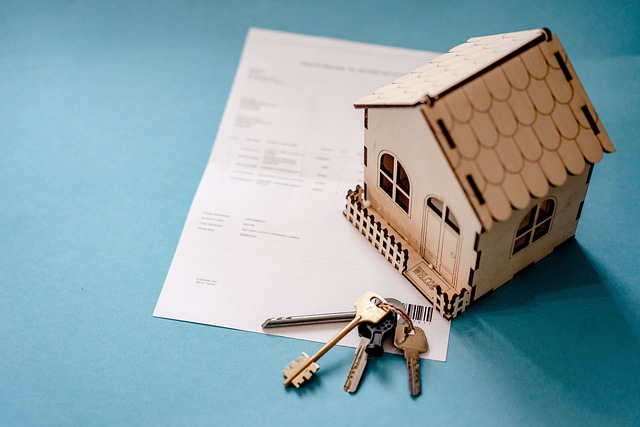
In real estate, understanding added costs is paramount for both buyers and investors. These hidden expenses often represent a significant portion of the overall transaction, influencing monthly payments and long-term financial commitments. Added costs in real estate encompass various elements beyond the purchase price, including closing costs, property taxes, insurance, maintenance, and utilities. For instance, in the United States, the average closing cost for a home purchase is around 2% to 3% of the sales price, which can translate into substantial sums for high-value properties.
One crucial aspect to consider is the impact of property taxes, which vary widely across regions and can significantly increase monthly payments. According to the National Association of Realtors, the average property tax rate in the US is approximately 1.25% of the assessed value. For a home valued at $300,000, this could equate to an additional $3,750 per year or roughly $313 per month. Similarly, insurance costs can fluctuate based on location, property type, and coverage levels, adding another layer of expense. Regular maintenance and repairs are also essential factors that often get overlooked; unforeseen issues like roof replacements or system failures can lead to unexpected financial burdens.
To mitigate these added costs, prospective homeowners should conduct thorough research and seek expert advice. One practical strategy is to compare property taxes in different areas before making a decision. Additionally, ensuring adequate insurance coverage and setting aside funds for routine maintenance can help alleviate future financial surprises. Investing in energy-efficient upgrades or conducting regular home inspections can also reduce long-term expenses related to utilities and repairs. By proactively understanding and managing these added costs, individuals in the real estate market can make more informed decisions and secure a stable financial future.
Analyzing Impact on Monthly Payments

In real estate, as in many sectors, the addition of new costs can significantly impact monthly payments for property owners. This effect is particularly pronounced when these additional expenses are ongoing, such as increased property taxes, higher insurance premiums, or even modest hikes in mortgage interest rates. Every extra dollar that must be allocated towards these mandatory costs reduces the remaining budget available for other essential expenses and discretionary spending.
Consider a homeowner with a $300 monthly mortgage payment who faces a 0.25% increase in their interest rate. While this might seem minor, it translates to an additional $7.50 per month—a cumulative $90 annually. Similarly, a property tax increase of 5% on a home valued at $200,000 would result in an extra $1,000 per year for the homeowner, directly affecting their monthly cash flow. These seemingly small increases can compound over time, creating a substantial financial burden.
Experts recommend that homeowners regularly assess their financial situation to account for such variables. Budgeting tools and apps can help track expenses and predict future costs. Additionally, keeping an eye on market trends in real estate values, interest rates, and local tax policies enables proactive financial planning. By staying informed, property owners can make informed decisions about mortgage choices, insurance coverage, and investment strategies to mitigate the impact of rising costs on their monthly payments.
Strategies to Mitigate Increased Burdens

Rising costs have a significant impact on monthly payments, particularly in the real estate sector where property prices often drive financial commitments. To mitigate these increased burdens, individuals and families must adopt strategic approaches to manage their finances effectively. One key strategy involves reevaluating existing budgets and allocating resources more efficiently. This might include negotiating with lenders for better interest rates or exploring options like refinancing to secure more favorable terms. Additionally, building an emergency fund can offer a financial safety net, allowing homeowners to absorb unexpected costs without straining their monthly budget.
Downsizing or rightsizing properties is another effective tactic. As real estate values fluctuate, assessing one’s living space in relation to current market trends becomes crucial. Selling an larger property and downsizing to something more manageable not only reduces mortgage payments but can also generate capital that can be reinvested or saved. Property taxes are another area where costs can mount quickly; homeowners can mitigate these by keeping their properties well-maintained, as many tax assessments consider a home’s condition when calculating tax rates. Regular inspections and minor repairs can prevent costly renovations later.
Lastly, exploring government assistance programs designed to support homeowners during economic downturns or market fluctuations can offer substantial relief. These programs often provide grants, low-interest loans, or tax credits tailored to help individuals and families manage their housing costs. Staying informed about such initiatives ensures access to resources that can make a significant difference in monthly financial obligations, especially in the competitive real estate market.