
Real estate purchases with low down payments are achievable through strategic planning. Location, property type, and financial health dictate requirements, with urban areas offering 5% and rural markets demanding 10% or more. Lenders assess creditworthiness for down payment determinations. Government-backed loans like FHA and VA, alongside conventional options, provide financing with varying rates and fees. Local incentives can further reduce costs. Strategic approaches include exploring revitalization neighborhoods, alternative financing, dedicated savings accounts, market trend analysis, and working with informed agents to access undervalued properties within budget constraints.
In the dynamic landscape of real estate, understanding the unique needs of low-income housing is paramount. Access to adequate, affordable housing remains a persistent challenge, exacerbating social and economic disparities. The current market often falls short, leaving many to navigate a labyrinthine process to secure stable residences. This article delves into the critical issues faced by individuals and families seeking low-down payment options in today’s competitive real estate environment. We explore innovative strategies and policies that can democratize homeownership, ensuring access to safe, affordable housing for all. By examining these solutions, we aim to provide valuable insights for stakeholders dedicated to transforming lives through responsible real estate practices.
Understanding Low Down Payments in Real Estate
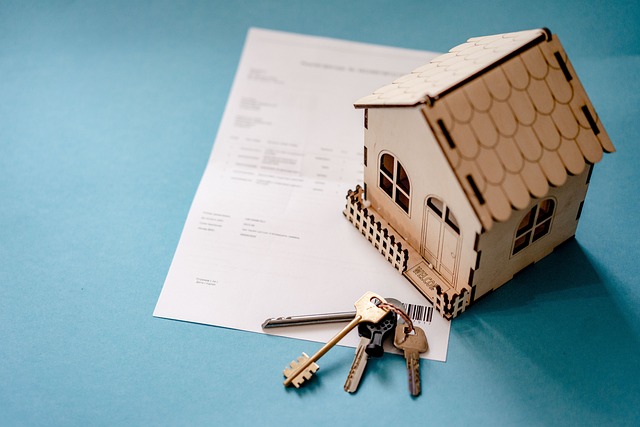
Making your first move into real estate can feel daunting, especially when discussing low down payments. In many markets, this entry point is a significant factor for prospective buyers. A down payment, typically a percentage of the property’s purchase price, is a crucial component in the homeownership process, as it demonstrates financial commitment and helps secure favorable loan terms. However, understanding what constitutes a ‘low’ down payment requires context—it varies widely depending on location, property type, and individual circumstances.
For instance, according to recent data, the average down payment for first-time homebuyers in urban areas might be as low as 5% of the purchase price, while in more affordable suburban or rural markets, it could reach 10% or higher. These figures underscore the diverse nature of real estate transactions and the need for personalized strategies. What makes a low down payment acceptable to lenders is often influenced by factors such as creditworthiness, interest rates, and property value. Buyers with strong credit scores and substantial savings may secure loans requiring smaller initial payments, whereas those new to the market might find themselves needing to contribute a higher percentage upfront.
Experts suggest that buyers aiming for lower down payments should focus on building an emergency fund alongside saving for a home. This dual approach ensures financial resilience and can make it easier to navigate unexpected costs associated with real estate transactions. Additionally, exploring government-backed loan programs designed to assist first-time homebuyers can open doors to more accessible financing options, further facilitating the process of purchasing a home with minimal initial investment in certain cases.
Navigating Financing Options for First-Time Buyers

For first-time buyers entering the real estate market, securing financing is a significant step that requires careful navigation. The options available can be overwhelming, each with its own set of advantages and potential pitfalls. Understanding these financing avenues is crucial to making informed decisions and ensuring a smooth path towards homeownership. This process demands an in-depth analysis of one’s financial situation and future prospects.
One common option for first-time buyers is government-backed loans, such as FHA (Federal Housing Administration) or VA (Veterans Affairs) loans. These programs offer lower down payment requirements, making homeownership more accessible. For instance, an FHA loan allows a minimum 3.5% down payment, while VA loans can even eliminate the need for a down payment entirely. Such initiatives aim to support first-time buyers and stimulate the real estate market. However, borrowers should be mindful of the associated fees and long-term financial implications.
Another strategy is to explore conventional loans offered by banks or credit unions. These loans typically require a higher down payment, usually ranging from 5% to 20%, but offer better interest rates and flexible terms. For buyers with strong credit and savings, this route can be advantageous. Lenders often provide pre-approval letters, which not only give buyers confidence but also demonstrate their financial stability when making an offer on a property in the competitive real estate market. Additionally, first-time buyer incentives or grants from local governments or organizations can further offset the initial costs of purchasing a home.
It’s essential to compare and contrast these options, considering factors like interest rates, closing costs, and long-term affordability. Financial advisors recommend that buyers assess their budget, savings, and future plans before committing. A thorough understanding of financing options empowers first-time buyers to navigate the real estate landscape with confidence, ensuring they make a well-informed decision when purchasing their first home.
Strategies for Securing Your Dream Home Despite Limited Funds

Securing your dream home despite limited funds can seem like an insurmountable challenge, but with strategic planning and a keen eye for opportunity, it’s achievable. The real estate market naturally presents both obstacles and openings for those who know where to look. One proven strategy is to focus on emerging neighborhoods that are experiencing growth yet remain relatively affordable. For instance, urban centers often have areas undergoing revitalization, offering potential buyers an entry point into desirable locations at more manageable price points.
Another effective approach involves exploring alternative financing options. Creative lending programs and down-payment assistance initiatives designed to support first-time homebuyers can significantly reduce the upfront costs associated with purchasing a property. Local and national organizations frequently offer grants or low-interest loans tailored to specific circumstances, making homeownership more accessible. Additionally, building a strong savings account specifically for real estate expenses—including closing costs, inspections, and potential repairs—is crucial. This dedicated fund ensures you’re prepared when opportunities arise without overextending your budget.
Market trends also play a pivotal role in navigating this landscape. Keeping abreast of property values and rental markets can reveal undervalued properties with growth potential. For example, areas experiencing demographic shifts or economic development often present buying opportunities. Investing in these regions early on could lead to substantial gains over time. Moreover, working closely with an experienced real estate agent familiar with your financial constraints can open doors to listings not widely advertised. Their insights and connections within the industry can be invaluable in securing a desirable property without breaking the bank.