Real estate development faces legal challenges from zoning to environmental standards, which can lead to property disputes and legal repercussions for non-compliance. Strategic developers can use these complexities to create unique projects, reshaping urban landscapes. Ethical considerations are vital in real estate transactions, especially regarding hazardous material removal, structural modifications, and client transparency to preserve public trust, environmental safety, and professional integrity.
In the dynamic realm of real estate, understanding the conditions under which certain elements can be removed is paramount. This article explores the intricate interplay between legal loopholes, safe disposal practices, and ethical considerations surrounding removal. From navigating legal frameworks that permit selective removals to adopting responsible procedures for disposing of unwanted items, we delve into best practices within the industry. Additionally, we scrutinize the ethical dimensions, ensuring a comprehensive guide for real estate professionals.
Legal Loopholes: When Removal is Permitted
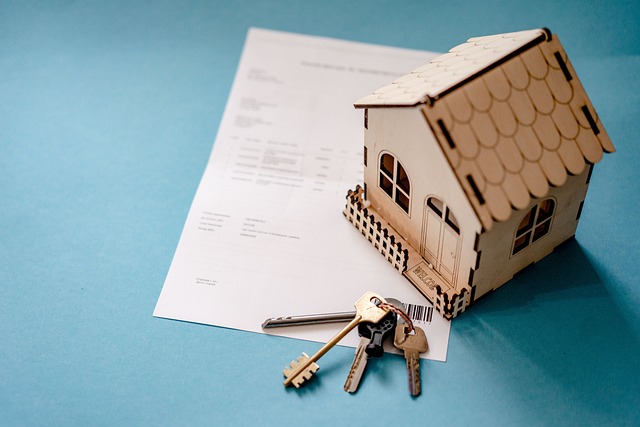
In the realm of real estate, legal loopholes often provide a complex web where certain conditions can lead to the removal of properties or rights. One notable instance is when a property owner fails to comply with zoning regulations, leading to the potential revocation of their ownership rights. Zoning laws, which dictate how land can be used, are stringent and vary across regions, allowing local governments to control the character and development of neighborhoods.
These loopholes also surface in situations involving non-compliance with environmental or safety standards, where properties may be subject to seizure or forced removal. In such cases, legal challenges often arise, pitting property rights against the public interest. However, for developers or owners who navigate these regulations adeptly, opportunities for unique and innovative projects can emerge, reshaping urban landscapes in unexpected ways.
Conditions for Safe and Legal Disposal

When considering the safe and legal disposal of certain items, especially in the context of real estate transactions, understanding the conditions is paramount. Each jurisdiction has specific guidelines governing what can be removed or disposed of, with a focus on environmental protection and public safety. These conditions often dictate that hazardous materials, such as asbestos, lead paint, or contaminated debris, must be handled by licensed professionals using approved methods.
For real estate properties, proper disposal procedures ensure that no remnants of these harmful substances are left behind, preventing potential health risks for future occupants. Property owners or managers must remain vigilant, conduct thorough inspections, and consult relevant experts to determine the appropriate course of action. Adhering to these conditions not only avoids legal repercussions but also contributes to a healthier living environment.
Real Estate Practice: Ethical Considerations for Removal

In the realm of real estate, ethical considerations play a pivotal role, especially when discussing removal—whether it’s for renovation, relocation, or other circumstances. Agents and professionals must uphold the highest standards to maintain public trust. This includes transparency with clients regarding potential risks and benefits associated with removing certain elements in a property, such as old structures or hazardous materials. For instance, a client might request the removal of an outdated addition, but it’s crucial to assess if this could impact structural integrity or local zoning laws.
Navigating these situations demands expertise and an understanding of industry regulations. Real estate practitioners should guide clients through ethical dilemmas, ensuring decisions are well-informed. This practice fosters longevity in client relationships, safeguards the environment, and upholds the integrity of the real estate profession.