
Real Estate requires careful cost management beyond initial purchase. Essential expenses include closing fees (2%-5%), property taxes ($100s-$1000s), insurance ($100s-$1000s), maintenance, and utilities. Proactive budgeting, emergency funds, and regular adjustments are vital. Fluctuating interest rates and market dynamics impact mortgage payments. Homeowners must strategize to handle unexpected cost increases through efficient budgeting, negotiations, and informed decisions for a stable financial future in Real Estate.
In the dynamic landscape of real estate, understanding the impact of added cost increases on monthly payments is paramount for both investors and homeowners. As property markets evolve, the financial burden of owning or investing in real estate can significantly shift, influencing long-term decision-making. The challenge lies in deciphering these changes and their implications. This article delves into the intricate factors driving these cost increments, offering insights that empower readers to navigate this complex environment with confidence. By the end, you’ll be equipped to make informed choices, ensuring financial stability in the ever-changing real estate market.
Understanding Added Costs in Real Estate
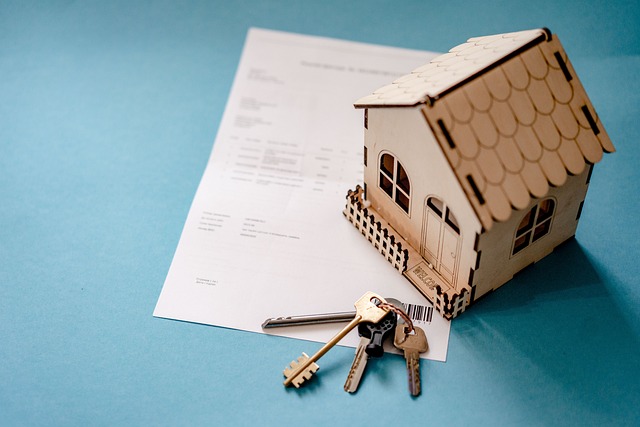
In real estate, understanding added costs beyond the base purchase price or monthly mortgage is crucial for making informed decisions. These additional expenses, often overlooked, can significantly impact a buyer’s financial health and overall ownership experience. Common added costs include closing fees, property taxes, insurance, maintenance, and utilities—each contributing to the total cost of homeownership. For instance, in the United States, the average closing costs for a home purchase ranged from 2% to 5% of the sale price in 2022, with some states or markets exceeding 6%, adding substantial financial strain on buyers.
Moreover, property taxes, which vary widely by location and real estate type, can amount to hundreds or even thousands of dollars annually. Insurance coverage, whether it’s homeowners or title insurance, is essential but adds another layer of expense. Maintenance costs can be unpredictable, with repairs ranging from minor routine upkeep to major, costly renovations. Utilities like electricity, water, and gas are also not insignificant, especially in regions with extreme climates demanding constant heating or cooling. According to the Energy Information Administration, U.S. residential energy consumption varies by region, with some states averaging over $200 per month for heating alone.
To effectively navigate these added costs, prospective home buyers should conduct thorough research specific to their market and property type. Expert advice suggests creating a detailed budget that includes all known and potential expenses associated with real estate ownership. Additionally, building an emergency fund to cover unexpected maintenance or repair costs can offer financial breathing room. Regularly reviewing and adjusting budgets as circumstances change ensures homeowners stay on top of these often-overlooked aspects of homeownership in the dynamic real estate market.
Analyzing Monthly Payment Increases

In real estate, as in many sectors, the cost of doing business can fluctuate, leading to adjustments in monthly payment structures. Analyzing these increases is crucial for both lenders and borrowers, as it directly impacts financial planning and market stability. When a borrower’s monthly payments rise, it often stems from several factors, each requiring careful consideration. One common driver is changing interest rates set by central banks, which can significantly affect loan costs. For instance, higher interest rates in recent years have led to increased mortgage payments globally, highlighting the immediate impact on borrowers’ financial commitments.
Moreover, property-related expenses often contribute to these rises. As real estate values appreciate or market conditions shift, lenders may reassess risk and implement adjustments. This is particularly evident in regions with rapidly growing property markets, where initial loan amounts can outpace income growth for borrowers. For example, a study of major cities worldwide revealed that average mortgage payments as a percentage of disposable income have been steadily climbing, reflecting the pressure on households to keep up with rising housing costs.
Lenders should adopt transparent practices when implementing payment increases, ensuring borrowers understand the rationale behind them. This includes communicating clear terms and conditions, providing advance notice, and offering personalized guidance for managing heightened financial burdens. Borrowers, in turn, can take proactive steps by reviewing their budgets, exploring refinancing options, or seeking professional financial advice to navigate these changes effectively.
Strategies to Mitigate Extra Expenses

When it comes to managing finances, one of the most significant challenges for homeowners is navigating unexpected cost increases that can significantly impact their monthly payments. In the dynamic landscape of real estate, various factors can contribute to these additional expenses, from rising interest rates and property taxes to the costs associated with maintenance and repairs. To mitigate these extra costs, it’s crucial to implement strategic financial planning and practical solutions.
A fundamental strategy involves proactive budgeting. Homeowners should allocate dedicated funds for contingencies, ensuring that unexpected costs don’t catch them off guard. Regularly reviewing and adjusting budgets is essential, especially in the ever-changing real estate market. For instance, tracking utility expenses can reveal opportunities to optimize energy usage, thereby reducing monthly outlay. Additionally, negotiating with service providers—from internet to home insurance—can result in significant savings over time.
Real Estate naturally plays a pivotal role in financial planning. Property owners can enhance their negotiating power by staying informed about market trends and comparable properties. This knowledge enables them to make strategic decisions when it comes to purchasing or refinancing, potentially saving thousands of dollars in the long run. Furthermore, investing in energy-efficient upgrades or conducting regular maintenance checks can prevent costly repairs down the line, ensuring a more stable financial outlook.