
In real estate, understanding hidden costs like closing, appraisal, and legal fees is vital for all stakeholders. Conduct thorough market research, maintain detailed budgets, and stay alert for unexpected expenses to ensure informed financial decisions. Proactive home maintenance and energy efficiency improvements can save on repairs and utility bills. By proactively managing costs, homeowners can achieve financial stability in a competitive real estate market.
In the dynamic landscape of real estate, understanding the financial implications of added cost increases is paramount for both investors and homeowners. Monthly payments, a cornerstone of real estate transactions, are inherently linked to a variety of factors, including property value, loan terms, and market conditions. As these variables shift, so too do the burden and longevity of mortgage obligations. This article delves into the intricacies of how added cost increases impact monthly payments, offering insights that empower stakeholders to make informed decisions and navigate this crucial aspect of real estate with confidence.
Understanding Added Costs in Real Estate Transactions
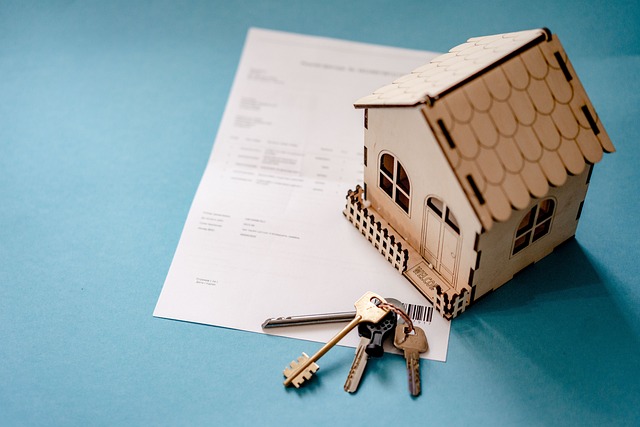
In real estate transactions, understanding added costs is paramount for buyers, sellers, and investors alike. Beyond the listed price of a property, numerous expenses can significantly impact the overall financial burden. These added costs, often overlooked or underestimated, include various fees and charges that are integral to the buying and selling process. For instance, in addition to the purchase price, prospective homeowners may encounter closing costs, which can encompass a myriad of items such as appraisal fees, title search expenses, and various legal fees. According to recent data from the National Association of Realtors, the average closing cost for residential properties in 2022 was approximately 3% of the sales price.
As the real estate market evolves, so do the associated costs. Factors like location, property type, and market conditions can lead to substantial variations in these expenses. For example, properties in urban areas with robust real estate markets might have higher closing costs due to the increased demand and complex legal requirements. Similarly, specialized types of properties, such as historic homes or commercial spaces, may incur additional costs related to specific regulations, inspections, and permits. Investors should anticipate these variables when planning their budgets and securing financing, ensuring they have a comprehensive understanding of the financial landscape in which they operate.
To navigate this intricate web of expenses effectively, real estate professionals and enthusiasts must employ strategic approaches. Conducting thorough research on local market trends and seeking expert advice can provide invaluable insights into potential added costs. Additionally, maintaining a detailed budget that accounts for both predictable and unexpected fees allows for better financial management and reduces the likelihood of surprises during the closing process. By taking proactive steps to identify and prepare for these costs, individuals can ensure smoother transactions and make more informed decisions in the dynamic real estate market.
Analyzing Monthly Payment Increases: A Step-by-Step Guide

Analyzing monthly payment increases is a crucial step for anyone involved in real estate, whether you’re a buyer, seller, or investor. This guide breaks down the process into manageable steps to ensure transparency and informed decision-making. Firstly, review your loan documents to understand the factors influencing payments. Common variables include interest rates, principal balances, and loan terms. For instance, a 30-year fixed-rate mortgage will have predictable monthly dues, while an adjustable-rate mortgage (ARM) can experience fluctuations.
Next, track historical payment trends. Many lenders provide online portals where you can access detailed transaction histories. In the real estate market, these records are invaluable for identifying patterns and potential issues. Consider a scenario where your payments have been consistently rising by 2% annually; this could indicate changing market conditions or lender fees. By examining these data points, you gain insights into whether increases are temporary or part of a larger trend.
Act on the insights gathered by consulting with your lender or a financial advisor. They can offer expert perspectives tailored to your situation. For instance, if rising rates concern you, refinancing options might be available to secure more favorable terms. Moreover, stay vigilant for hidden fees or charges that could impact your bottom line. In today’s competitive real estate landscape, staying informed and proactive about payment increases is essential for making sound financial choices.
Strategies to Mitigate Extra Expenses for Homeowners

For many homeowners, unexpected additional costs can significantly impact their monthly budgets, especially when they’re already navigating the financial complexities of real estate ownership. These extra expenses, ranging from maintenance and repair to utility bills and property taxes, often catch homeowners off guard, leading to strained finances. However, implementing strategic measures can help mitigate these unforeseen costs, ensuring a more manageable financial journey.
One proven strategy is proactive home maintenance. Regular inspections and preventative care can identify potential issues before they escalate into costly repairs. For instance, addressing minor roof leaks promptly prevents extensive damage and the associated expenses later. Homeowners should also create detailed maintenance schedules for all systems and components, including HVAC, plumbing, and electrical systems. A well-maintained home not only reduces unexpected repair costs but also enhances its overall value in the real estate market.
Moreover, energy efficiency measures can substantially lower utility bills. Upgrading to energy-efficient appliances, lighting, and windows not only saves money over time but also contributes to a greener, more sustainable living environment. Many governments offer incentives, such as tax credits or rebates, for homeowners who invest in energy-efficient home improvements. Additionally, smart thermostats and advanced insulation can further optimize energy usage, ensuring comfortable indoor environments while reducing monthly outgoings. By strategically addressing these areas, homeowners can take control of their financial destiny in the real estate sector.