
Low down payments in real estate offer advantages for first-time buyers, but require strategic planning. Key steps include improving credit scores, aggressive savings, and consulting mortgage professionals to navigate programs with minimal down requirements. Owning vs. renting with minimal down is a critical decision, weighing benefits of equity building through ownership versus flexibility of renting.
In the dynamic landscape of real estate, understanding the intricacies of low-down payments is paramount for both buyers and lenders. Securing a property without substantial initial capital has become increasingly significant, reflecting shifting market conditions and economic realities. However, this practice also presents challenges, from stringent qualifications to potential risks. This article delves into the nuances of low-down real estate transactions, offering insights that empower both parties to navigate these complex waters effectively. By exploring innovative solutions and best practices, we aim to foster a more inclusive and accessible housing market.
Understanding Low Down Payments in Real Estate
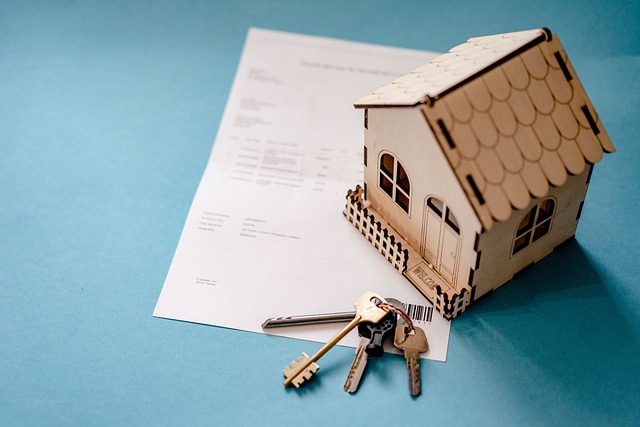
Making your way into the real estate market can feel daunting, especially when discussing low down payments. In today’s competitive landscape, understanding this concept is crucial for aspiring homeowners. A down payment, a significant portion of the purchase price, traditionally acts as a security measure for lenders and can vary widely depending on various factors. For those with limited funds, the idea of putting just a small amount down may seem appealing, but it requires careful consideration and planning.
Real estate experts suggest that low down payments can open doors for first-time buyers, allowing them to secure their dream homes earlier in the process. However, it’s essential to recognize that these transactions often come with higher interest rates and shorter terms, potentially increasing monthly expenses. For instance, a study by the Federal Reserve showed that borrowers putting down less than 20% are more likely to face higher borrowing costs over time. Therefore, while a low down payment can be an attractive option, it should be part of a strategic financial plan.
Practical steps include improving one’s credit score, which can lead to better loan terms, and saving aggressively for a smaller down payment. Some programs designed to assist buyers offer loans with minimal down requirements, but these often come with specific criteria. Consulting with a mortgage professional is invaluable in navigating these options, ensuring you make informed decisions tailored to your financial situation. Remember, in the realm of real estate, understanding these nuances can lead to a seamless and financially sound homeownership journey.
Navigating Financial Barriers: Strategies for Buyers

Navigating financial barriers is a significant challenge for many potential real estate buyers. The cost of entering the market can seem daunting, especially for first-time purchasers. According to recent data, the average home price in major metropolitan areas has increased steadily over the past decade, outpacing wage growth, making it difficult for buyers to accumulate the necessary down payment. This section offers strategic insights into overcoming these obstacles and provides actionable advice for those seeking to enter the real estate market.
One of the most effective strategies is to start early and develop a robust savings plan. Automating savings contributions through payroll deductions or setting up dedicated savings accounts can help buyers consistently set aside funds for their down payment. Additionally, taking advantage of employer-sponsored retirement plans, such as 401(k)s, allows for tax benefits that can accelerate savings. For instance, contributing to a 401(k) with a match from your employer effectively provides free money towards your future real estate purchase.
Building credit is another crucial aspect of navigating financial barriers. A strong credit score can lead to more favorable loan terms and lower interest rates. Lenders often require a minimum credit score for approval, and maintaining good credit practices can significantly increase these odds. Regularly reviewing credit reports for errors or inaccuracies and promptly disputing any incorrect information is essential. According to FICO, a credit score of 740 or higher typically results in the best loan terms, underscoring the importance of diligent credit management.
Benefits and Considerations: Owning vs Renting with Low Down Payment

Owning a property versus renting is a significant decision, particularly when financial constraints require a low down payment. This choice impacts not just your immediate financial situation but also long-term wealth accumulation. In today’s competitive real estate market, understanding the benefits and considerations of this path is crucial for making an informed decision.
For those opting to purchase with minimal capital, the primary advantage lies in building equity. Each mortgage payment reduces the outstanding balance on the loan, allowing homeowners to gradually acquire a significant stake in their property. This not only provides financial security but also serves as an investment that can be liquidated or leveraged in the future. According to recent studies, homeownership remains one of the most effective ways to accumulate wealth over time, despite fluctuations in the real estate market.
However, renting with a low down payment offers flexibility and freedom from immediate large-scale financial commitments. It enables individuals and families to avoid the costs associated with property maintenance and repairs, which can be substantial. This option is particularly appealing for those who are uncertain about their long-term stay in a particular location or have limited savings. A practical approach could involve considering rental periods that align with career trajectories and personal goals, thereby reducing the sense of commitment often associated with homeownership. Additionally, landlords may offer incentives like lower rent or included utilities, making this choice even more attractive.